Review · 11 Jul 2026
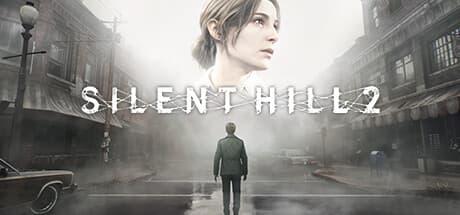
Silent Hill 2
A remake that understood the assignment everywhere except the fog.
DoukaWriter · Horror, adventure, narrative gamesafter 22 hours
Bloober Team · Survival horror · PC · released 08 Oct 2024 · Two endings, one full second run
Played 29% longer than the game usually takes to finish.
Tested on RTX 4070 · 1440p · DLSS Quality · 70–90 fps
Nobody expected this to work. The studio's back catalogue was a run of horror games that mistook loud for frightening, and the source material is the most carefully written game of its era. Twenty-two hours later I am still slightly annoyed about how good it is.
The restraint is the achievement
The obvious way to remake Silent Hill 2 is to explain it. Add a flashback here, a line of dialogue there, make sure everyone understands what James has done before the final hour. This version does almost none of that. The story is still delivered sideways, in things people say when they think you are not the one they are talking to, and the ending still depends on how you played rather than what you picked from a menu.
Where it does add, it adds space. Rooms are bigger, the apartment buildings connect in ways they did not before, and the extra runtime is spent on silence rather than exposition.
- Radio static, hours of
- Too many
- Combat encounters skipped
- Most, on the second run
- Ending reached first
- In Water
The combat is the compromise
Over-the-shoulder aiming makes the monsters legible in a way the fixed cameras never did, and legibility is the enemy of this particular kind of horror. The mannequins were terrifying in 2001 partly because you could not see them properly. Here you can, and after eight hours you are not scared of them, you are managing them.
Bloober's answer is to make encounters awkward rather than difficult — the dodge is slow, the swing is heavy, and enemies get up more than once. It works well enough that I stopped noticing, but it never stops being a compromise.
Where it slips
The fog. It is technically better than the original in every measurable way and dramatically worse in the one that counts. The original's fog was a wall — it existed to hide the fact that nothing had been rendered past it, and that accident created a town with no edges. Here the fog is volumetric and beautiful and you can see through it, which means you can see where the town stops.
The endings still work because the game is still watching
The original's most quietly radical feature was that the ending depended on behaviour rather than choice — how much health you carried, whether you listened to a particular tape, how close you walked to Maria, whether you spent time examining a knife. No prompt, no menu, no confirmation.
The remake keeps all of it and extends the tracking to the new spaces. On my second run I deliberately played James as someone trying to survive rather than someone drifting toward the water, and the ending changed without a single dialogue option having been presented. In 2024, when most games flag moral choices with an icon, that restraint reads as radical rather than dated.
It is also the strongest argument against the idea that this remake merely modernised the original. Someone understood what the systems were for.
The verdict
The best thing anyone has done with this series in twenty years, and a genuinely careful piece of adaptation. Play it in the dark, with headphones, and do not read anything about the endings first.
Accessibility
- Subtitle size and background opacity both adjustable
- Aim assist and auto-heal toggles under a separate accessibility menu
- Puzzle difficulty set independently from combat difficulty
- Heavy fog and low light are unavoidable
Checked during play, not from a feature list. Tell us what is missing and it gets added.
❦